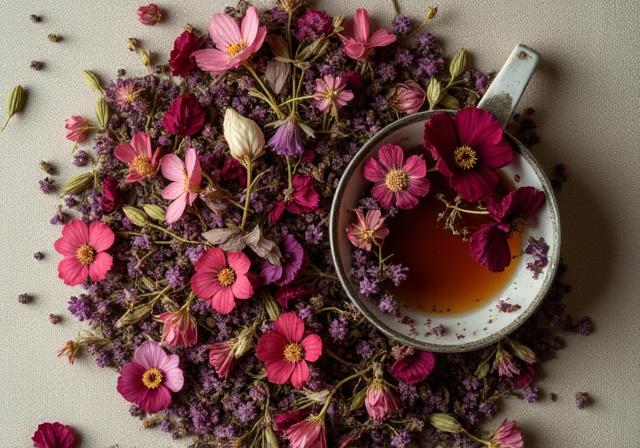
For decades, the tea industry was dominated by robust, malty black teas and grassy green varieties. However, a significant transformation is brewing. Today’s discerning tea drinkers are moving away from heavy, tannin-rich profiles in favor of something more ethereal: the floral note. This shift toward botanical infusions isn't just about taste; it is a movement toward mindfulness and organic sophistication.
The Botany of Flavor: Hibiscus, Rose, and Butterfly Pea
Incorporating whole flowers into tea blends provides a layered complexity that synthetic flavorings simply cannot replicate. Each floral element brings its own character to the cup:
Hibiscus
A tart, cranberry-like bite with a striking ruby infusion.
Rose Petals
Soft, romantic sweetness that enhances the natural creaminess of oolongs.
Butterfly Pea
A deep sapphire wonder that transforms with a squeeze of citrus.
Curated Pairings: Elevating the Experience
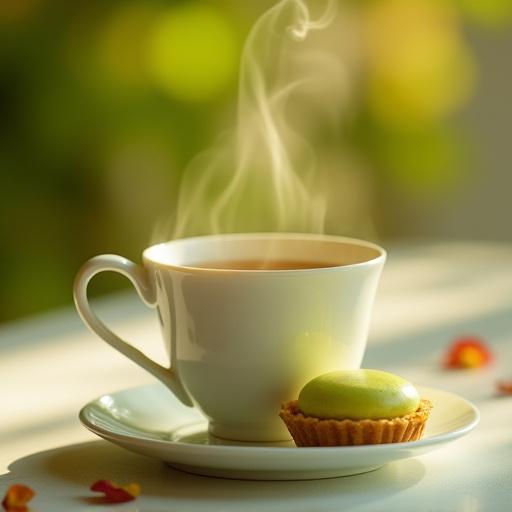
To truly appreciate floral tea, one must consider the accompaniment. A delicate Lavender Earl Grey finds its perfect companion in a buttery lemon madeleine, while the punchy tartness of Hibiscus Rouge balances beautifully with dark chocolate ganache.
- Jasmine Green Tea & Honey Almond Tart
- Chamomile & Vanilla Bean Scones
- Elderflower Oolong & Pistachio Macarons
"In my years of tea sourcing across Asia, the most profound discovery wasn't a rare leaf, but how a single dried flower could change the entire story of a blend."
— Elena Vassilie, Head Sourcing
Consultant
A Daily Ritual of Bloom
Integrating florals into your daily brew is more than a trend; it's an invitation to slow down. Whether you choose the calming influence of chamomile or the vibrant energy of hibiscus, these botanical notes offer a sensory connection to nature that grounded teas often miss. Ready to refine your palate? Start small—add a pinch of dried rosebuds to your next steep and watch the ritual transform.