Benefits of Rose Infusions for Wellness
Exploring the timeless elegance and healing power of the queen of flowers.
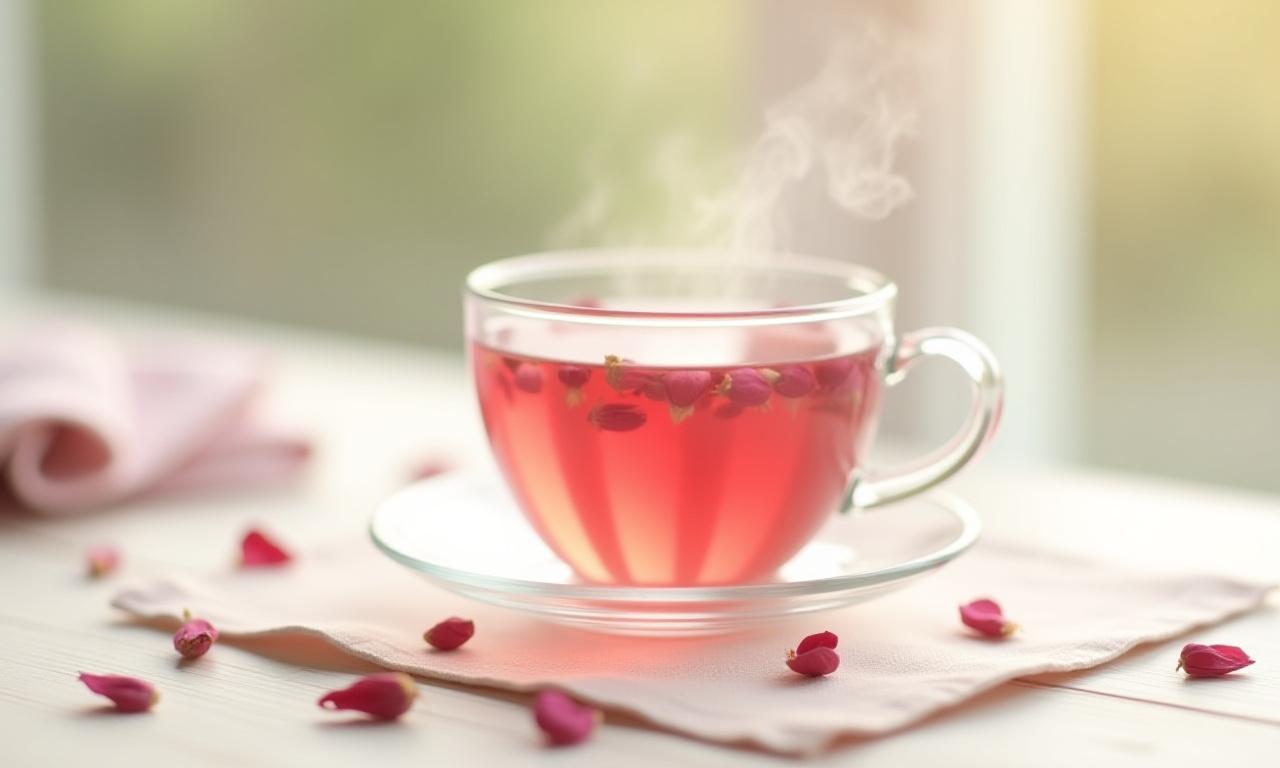
The History of the Rose in Herbal Medicine
For millennia, the rose has been more than a symbol of romance; it has been a cornerstone of ancient apothecary traditions. From the hanging gardens of Babylon to the traditional medicine practices of the Middle East, rose petals (Rosa damascena) have been prized for their cooling properties and ability to balance the 'heart' and 'mind'.
Early herbalists utilized rose water and infusions to treat everything from respiratory ailments to digestive sensitivities, recognizing the gentle yet profound impact of this botanical treasure on the human body.
The Science: Antioxidant Properties
Modern research reinforces what ancestors knew intuitively. Rose infusions are rich in polyphenols, particularly gallic acid, anthocyanins, and quercetin. These compounds act as powerful antioxidants, scavenging free radicals and reducing oxidative stress within the body.
A regular cup of floral tea can help strengthen the immune system and promote skin health by fighting the cellular damage that leads to premature aging.

Stress Relief & Calming Effects
The aromatherapy of brewing rose tea is an experience in itself. The volatile oils released during steeping have been shown to lower cortisol levels and provide a natural sedative effect, making it the perfect evening ritual for those seeking to unwind.
Recipe: The Perfect Cup of Rose Tea
- 2 tsp Dried Food-Grade Rose Buds
- 250ml Filtered Water
- Optional: 1 tsp Raw Honey
Method:
- Heat water to 85°C (just below boiling to keep nutrients intact).
- Place rose buds in a ceramic teapot or infuser.
- Pour water and steep for 5-7 minutes.
- Strain and enjoy the gentle, floral essence.